What has actually been announced?
On October 8, 2026, Canada announced a $2-billion investment over eight years for a broader home-retrofit package. One part is a new National Heat Pump Rebate intended to help up to 820,000 households install eligible electric heat pumps. The $2 billion is a national budget, not a payment to any one household.
The announced household amounts are $2,000 for other eligible homeowners or up to $10,000 for eligible low- to median-income households. The current federal page, updated October 23, says its application portal is expected in early 2027. It says a conditional retroactivity period starts November 1, 2026, and more eligibility, equipment, amount and application details are expected November 1.
As checked October 26, the application is not open. A November installation date alone is not approval: the household, equipment, work and documentation must meet the final rules. No one should treat the announced amount as money already secured.
When waiting may make sense
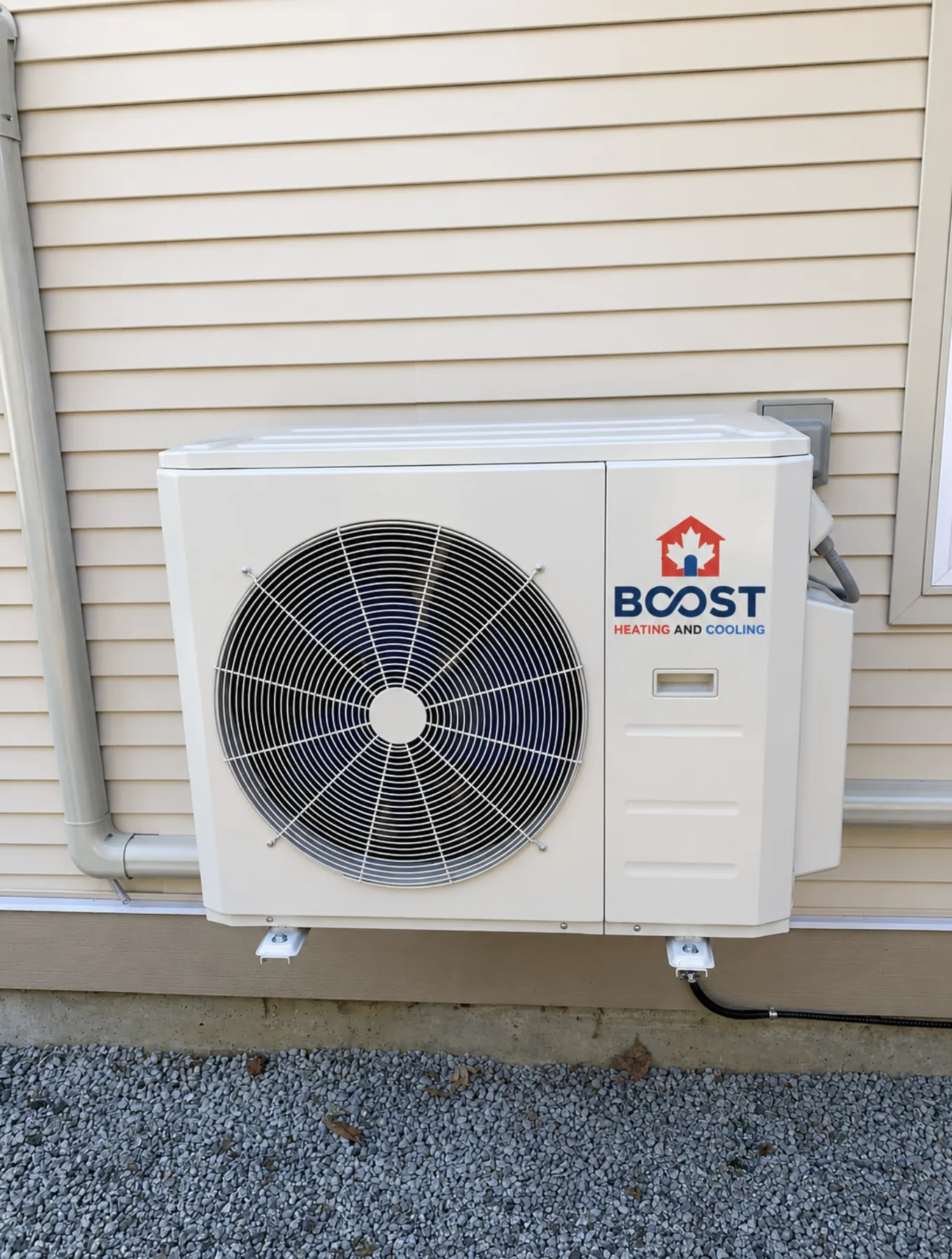
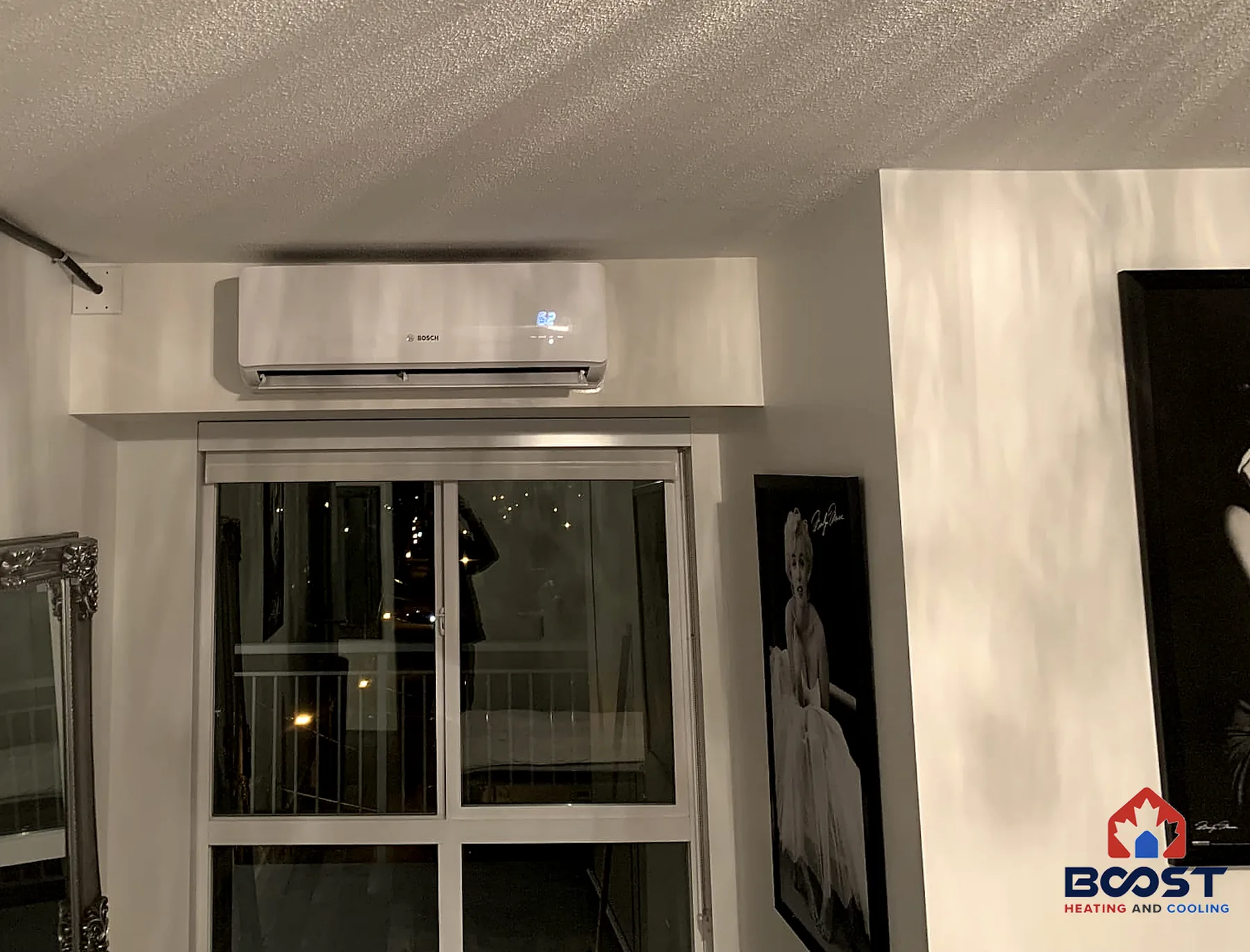
Waiting for the November 1 details can be sensible if the present system is safe and reliable, you have not signed a contract, and federal eligibility will materially affect your choice. That need not stop planning. Arrange an assessment of the home’s heating load, existing fuel, ducts, electrical capacity, outdoor-unit location and any backup strategy.
Ask for an itemized price before rebates. Compare that price with your budget even if the expected grant is delayed or denied. A quote should name the exact indoor and outdoor models and show the full scope, rather than just a headline rebate reduction.
When safety and heat cannot wait
Do not keep operating suspect equipment or postpone necessary safety work for an unapproved rebate. If you smell natural gas, leave without using switches or a phone inside and call FortisBC at 1-800-663-9911 or 911 from outside. If a carbon-monoxide alarm sounds or exposure is suspected, get everyone outside, call 911 and do not re-enter until professionals clear the home.
For a failed heating system without emergency signs, arrange a professional assessment promptly. A qualified technician can determine whether a safe repair is reasonable while you plan replacement. A Boost diagnostic visit is $119 flat rate, or $60 for seniors; repairs are quoted separately. Planned installation estimates may be free. Do not let a rebate calendar substitute for a safety or reliability decision.
Compare the BC route that fits your current fuel
Replacing primary electric heat: BC Hydro currently lists up to $4,000 for an eligible whole-home heat pump. Its limited bonus of up to $1,000 requires eligible work completed, invoiced and paid August 1–October 31, 2026, with a complete application by November 30. Funding can run out. This is an electric-heating route, requires a qualifying HPCN member and equipment, and excludes emergency replacement of a broken electrical system. Do not rush an installation solely to meet the October 31 date.
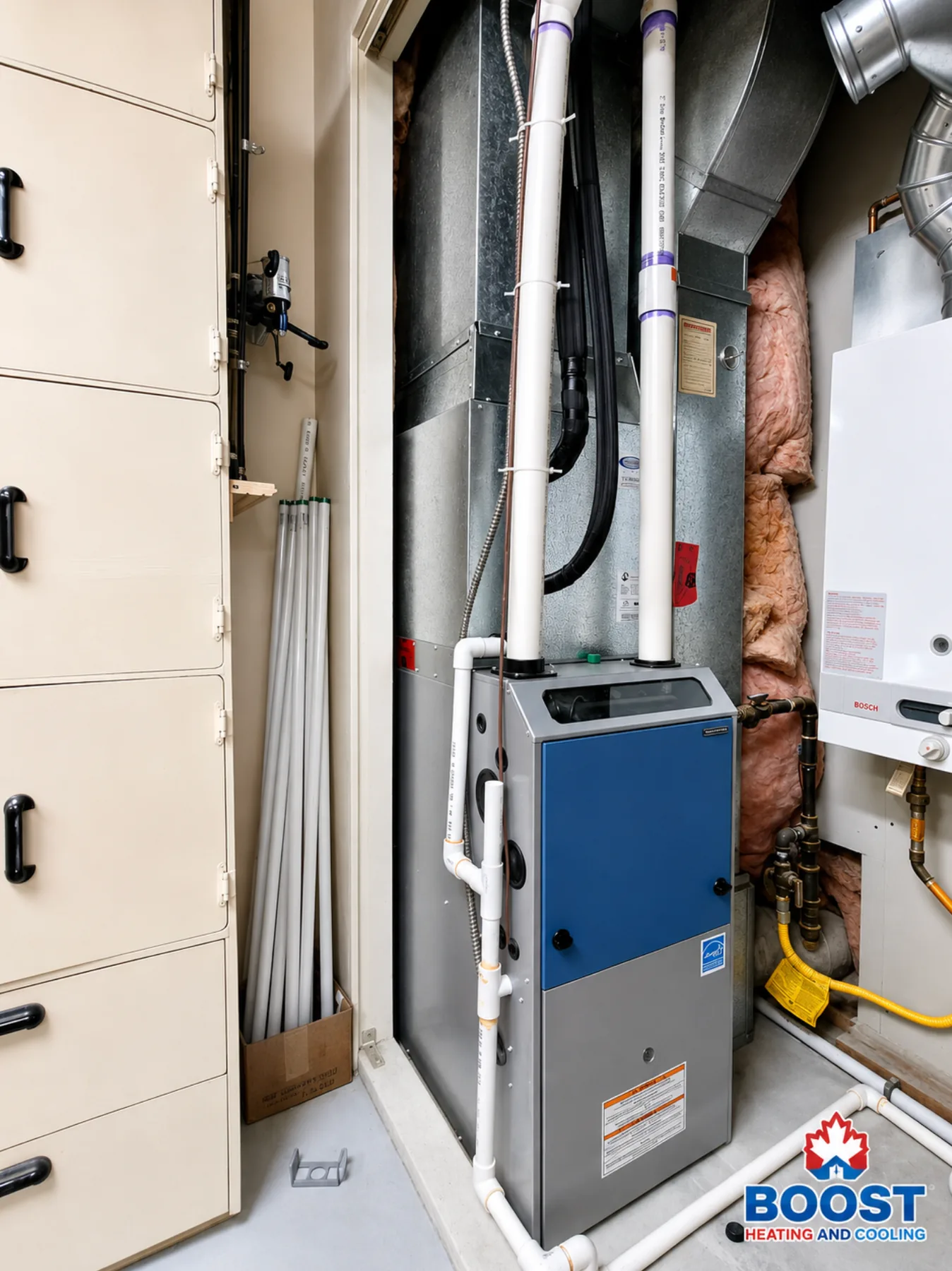
Replacing an older primary gas furnace with dual fuel: FortisBC lists up to $4,000 for the standard offer, or up to $8,000 for its income-qualified route, subject to different conditions. The qualifying system pairs an eligible new heat pump and gas furnace, replacing a gas furnace at least 15 years old; installations must be completed on or after October 15, 2026. Contractor listing for the applicable rebate, exact equipment pairing, load calculation and commissioning matter.
FortisBC’s current dual-fuel terms bar combining that rebate with other FortisBC, provincial- or federal-funded rebate programs. The federal announcement says its rebate can be combined with some provincial programs generally; that does not override FortisBC’s specific exclusion. Obtain written guidance from the relevant administrators before counting any combination.
Income-qualified CleanBC Energy Savings Program: households must pre-register before installation and receive an eligibility code. Under current rules, a code for applications received on or after July 6, 2026 requires completion within three months of approval. An ESP-registered contractor must supply and install the eligible upgrade; the contractor receives the rebate and the participant pays the balance. Starting fuel, household income, assessed value, home type, equipment and prior rebates change the route. Boost’s registration for any specific rebate route has not been established here.
Seven checks before signing a heat-pump contract
Use this as a planning worksheet, then verify the current program terms directly with the administrator. For an urgent failure, handle safety and reliable heat first.
- Record the current primary heating fuel, utility account holder and dwelling type.
- Identify the one program route you are counting on, and confirm its current funding and household requirements.
- Confirm any pre-registration, approval code and expiry before installation.
- Check the installer in the directory for that exact program; a general licence is not the same as program registration.
- Match every indoor, outdoor and backup model to the program list, including the required AHRI combination.
- Get the full price, load calculation, electrical and duct scope, permits, commissioning, warranties and backup plan in writing.
- Record approval, installation, paid-invoice and application dates; ask administrators in writing before assuming offers can stack.
Keep the paperwork and the enquiry proportionate
A useful proposal should state who prepares the rebate forms and what happens if the home or chosen equipment is found ineligible. Keep copies of the quote, model references, approval or eligibility code, invoice, payment record and commissioning documents required by the selected program.
Do not send tax returns, income records or banking details through a general contractor enquiry form. Use the official program’s secure process for sensitive eligibility evidence. For a planned installation, ask Boost for a written proposal and independently confirm the required contractor status before authorizing rebate-dependent work.
A funding announcement changes planning questions, not individual eligibility. Check safety, starting fuel, exact equipment, contractor status and written program rules before using a rebate in your budget.